
What Are the Fundamental Differences Between Chiropractic and Massage Therapy?
Chiropractic care and massage therapy are both popular forms of hands-on, drug-free healthcare, but they serve different roles. Chiropractic focuses primarily on diagnosing and managing conditions related to the spine, joints, and nervous system. Massage therapy works to relax muscles, improve circulation, and relieve physical tension throughout the body.
While these approaches often complement one another, their methods, goals, and underlying philosophies differ. Residents of Watertown, NY may find that one, the other, or both therapies help with specific health concerns, depending on the situation.
How Does Chiropractic Work?
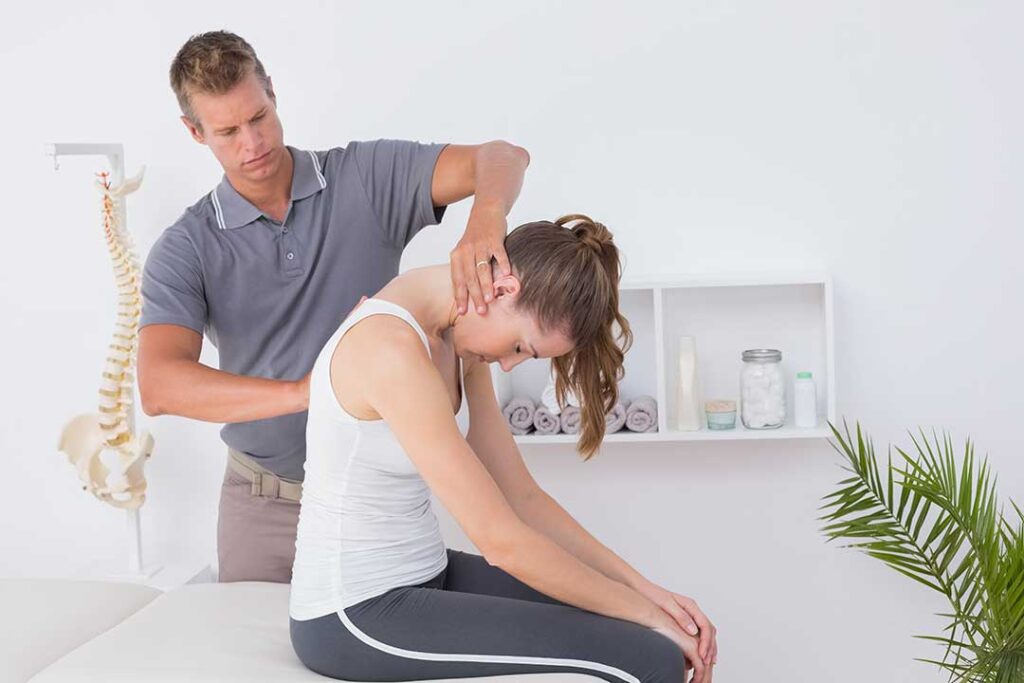
Chiropractors are trained to assess, diagnose, and treat musculoskeletal and nervous system issues, with particular emphasis on spinal health. They use targeted manual adjustments—known as spinal manipulation—to improve alignment, mobility, and nerve function.
- Chiropractic adjustments are usually quick, controlled movements targeting the joints, especially in the spine.
- Examinations often start with posture and spinal evaluations.
- Chiropractors may also use rehabilitative exercises, lifestyle guidance, and physical modalities to enhance outcomes.
- Common conditions managed include back pain, neck pain, sciatica, certain headaches, and joint issues affecting arms or legs.
Watertown’s changing seasons, heavier snow shoveling, and outdoor activities can sometimes increase the likelihood of joint or musculoskeletal strain—a scenario where chiropractic evaluation is sometimes sought locally.
What Does Massage Therapy Focus On?
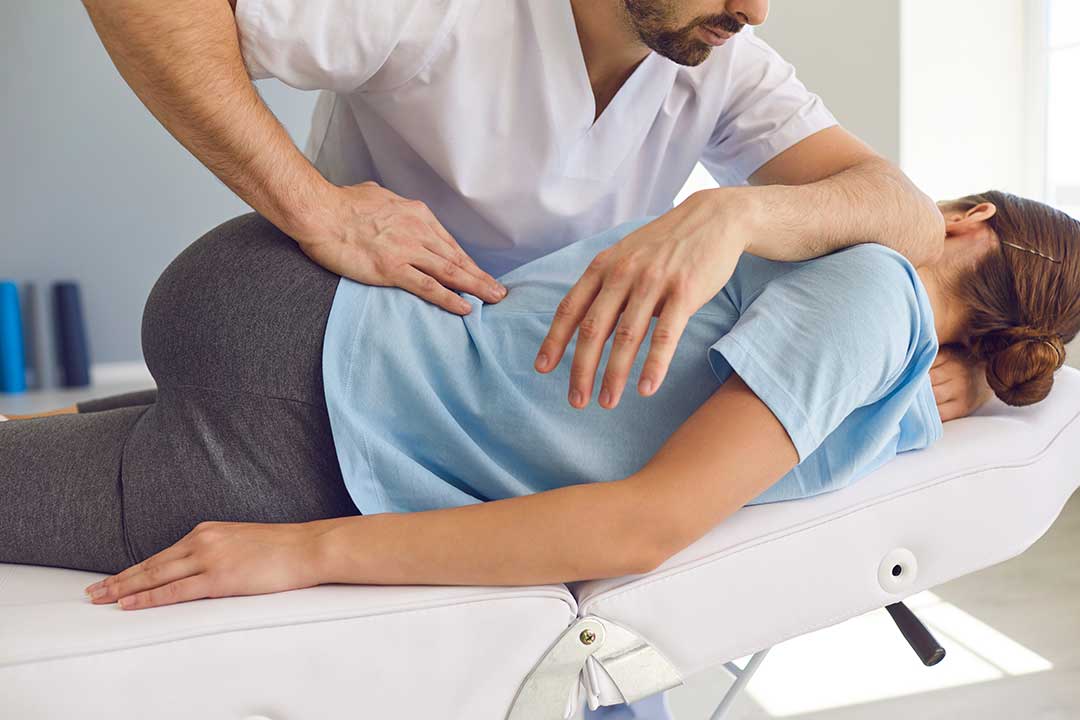
Massage therapists use a range of techniques to manipulate the muscles and soft tissues of the body. The primary aims are to relieve muscle tightness, reduce stress, promote relaxation, and aid in recovery from physical exertion.
- Techniques may include Swedish massage (gentle, relaxing strokes), deep tissue massage (more pressure for chronic tension), and sports massage (targeting areas used in specific activities).
- Massage does not involve joint adjustments or diagnosis of spinal misalignments.
- Some people in the community use massage for ongoing stress management, after physical work, or in support of overall wellness.
- In the colder months, residents often seek massage to relieve muscle tightness related to shoveling, winter sports, or cold-induced stiffness.
What Are the Key Training Differences?
Chiropractors and massage therapists complete distinct educational pathways.
- Chiropractors attend several years of post-graduate professional schooling and must pass national board exams. They are licensed to diagnose and manage a range of spine and joint conditions.
- Massage therapists typically complete 500–1,000 hours of specialized training in anatomy, physiology, and massage techniques, along with state certification or licensure requirements.
Only chiropractors can perform spinal manipulations for medical purposes. Massage therapists focus on soft tissue manipulation and cannot address underlying joint misalignments.
Which Conditions Might Call for Chiropractic Versus Massage Therapy?
Choosing between chiropractic and massage therapy depends on the nature of the problem.
- Chiropractic care may be suited for conditions involving joint pain, tingling, numbness, reduced movement, or back and neck issues tied to spinal function.
- Massage therapy may be more appropriate for general muscle soreness, everyday tension, stress relief, or as a supportive option during physical recovery.
Many area residents find that combining both therapies aids in managing tension from common seasonal chores, like gardening, raking, or long drives, where both muscle relaxation and joint mobility are beneficial.
Are There Safety Differences?
Both chiropractic and massage therapy are generally considered safe when delivered by trained, licensed professionals. However, there are distinctions:
- Chiropractic adjustments may not be recommended in certain cases, such as severe osteoporosis, some forms of arthritis, fractures, or spinal instability.
- Massage is usually safe for most people but may need to be avoided on areas with open wounds, infections, or certain circulatory issues.
In Watertown, those with pre-existing health conditions often consult with their primary care provider before starting a new therapy. This is especially common for older adults or those with a recent history of injury.
What Are Common Misconceptions Locally?
A few mistaken beliefs circulate in the community:
- Some believe chiropractic and massage therapy are interchangeable—they are not.
- Others may think that chiropractic is only for back pain, while it can also help with issues like chronic headaches or mobility concerns.
- There’s also a misconception that massage is only for relaxation, while it can play a supportive role in injury prevention and recovery for those with physically demanding jobs or hobbies.
During the winter, misunderstandings sometimes arise about the safety of either therapy following a slip or fall. Accurate assessment of the severity of an injury is crucial; certain injuries may require medical imaging or evaluation before manual therapies are considered.
How Do Chiropractic and Massage Integrate in Everyday Life?
In everyday life within Watertown, chiropractic and massage therapy often serve complementary roles. For example:
- Someone recovering from a fall on icy sidewalks may use chiropractic to restore normal joint alignment and massage to ease lingering muscle tightness.
- Individuals with desk jobs may benefit from chiropractic adjustments to reduce posture-related discomfort and massage sessions to work out muscle tenderness from long hours at the computer.
- Chronic pain sufferers—or those managing older injuries—sometimes alternate appointments as part of a broader conservative care plan.
This approach is most effective when residents are informed about the distinctions and potential benefits of each option.
