
Mobility affects more than exercise. It influences how comfortably a person gets out of a chair, walks across an icy driveway, reaches overhead, carries groceries, or keeps up with household responsibilities. For residents of Watertown, NY, seasonal changes, snow removal, long periods indoors, and physically demanding work or home tasks can all affect how freely the body moves.
Improving mobility usually does not require extreme stretching or intense workouts. A consistent routine that combines movement, strength, balance, flexibility, and recovery is often more useful than occasional bursts of activity.
What does “mobility” actually mean?
Mobility is the ability to move a joint or body region through a useful range of motion while maintaining strength, control, and balance. It is different from flexibility alone.
For example, a person may be able to stretch the hamstrings while lying down but still have difficulty bending, lifting, or walking safely. Good mobility depends on several systems working together:
- Joint movement
- Muscle strength
- Balance and coordination
- Nervous-system control
- Confidence and tolerance for activity
Restricted mobility may develop gradually from prolonged sitting, previous injuries, arthritis, muscle weakness, or avoiding movement because of discomfort. It can also fluctuate with stress, poor sleep, cold weather, and changes in daily activity.
Which natural approaches can help mobility?
The most reliable approach is regular, manageable movement that addresses more than one physical quality. Federal activity guidance recommends that adults work toward at least 150 minutes of moderate-intensity activity each week, along with muscle-strengthening activity on two days. The activity can be divided into shorter periods, and some movement is generally better than none. ([cdc.gov](https://cdc.gov/physical-activity-basics/guidelines/adults.html?utm_source=openai))
A practical weekly routine may include:
- Walking at a comfortable pace
- Gentle joint movements in the morning or after sitting
- Body-weight strengthening, such as sit-to-stand exercises
- Balance practice near a stable counter
- Light recreational activities that encourage reaching, turning, and stepping
The goal is not to force a joint farther than it comfortably moves. The goal is to gradually improve control and tolerance.
How can walking improve everyday movement?
Walking is a simple way to support mobility because it uses the hips, knees, ankles, trunk, and arms together. It also helps maintain endurance, which affects how easily a person can complete errands, climb stairs, or move around the home.
Start with a duration that feels manageable, even if that means five to ten minutes. Increase time slowly rather than trying to reach a long-distance goal immediately. During colder months, indoor walking can be a practical alternative when sidewalks, driveways, or parking areas are slippery.
Pay attention to stride quality. Excessively short steps, frequent stumbling, or a growing need to hold onto furniture may indicate that balance, leg strength, vision, or another factor needs attention.
Why are strength exercises important for flexibility and mobility?
Strength provides the control needed to use available motion. A person with weak hip or leg muscles may have difficulty standing, stepping over obstacles, or recovering from a slight loss of balance even if the joints themselves are flexible.
Useful exercises can include:
- Sitting down and standing up from a sturdy chair
- Wall push-ups
- Heel raises while holding a counter
- Step-ups on a low, stable surface
- Gentle rowing motions with an exercise band
- Supported mini-squats
Begin with a small number of repetitions and focus on smooth movement. The exercise should feel challenging but controlled. Sharp pain, sudden weakness, or loss of coordination is a reason to stop rather than push through.
Strength training does not have to involve heavy weights. Household movements can be effective when performed consistently and progressed gradually.
Which stretches are useful without overstretching?
Stretching may help maintain comfortable movement, especially after periods of sitting or repetitive activity. Gentle stretches for the calves, hips, chest, shoulders, and back are often practical starting points.
A safe stretching routine generally includes:
- Moving slowly into the stretch
- Avoiding bouncing
- Breathing normally
- Holding a mild stretch rather than forcing an intense sensation
- Repeating consistently instead of stretching aggressively once a week
A brief warm-up can make movement more comfortable. Walking slowly around the room, moving the arms, or performing several easy sit-to-stands may prepare the body better than stretching cold muscles.
Stretching should not cause numbness, electric-like pain, severe discomfort, or symptoms that continue to worsen afterward.
How do balance exercises support mobility?
Balance is a major part of safe movement, particularly for older adults or anyone who feels unsteady on stairs, uneven ground, or winter surfaces. National guidance supports combining aerobic, strengthening, and balance activities as part of a broader mobility routine. ([nia.nih.gov](https://www.nia.nih.gov/health/exercise-and-physical-activity/tips-getting-and-staying-active-you-age?utm_source=openai))
Simple balance practice can include:
- Standing with feet close together near a countertop
- Shifting weight from one foot to the other
- Walking slowly heel-to-toe along a clear area
- Rising onto the toes while holding support
- Practicing controlled turns
Never practice balance exercises near clutter, loose rugs, wet floors, or stairs without a secure handhold. A person with a history of falls should use extra caution and may need individualized instruction before practicing alone.
Can posture and daily habits affect mobility?
Yes. Mobility is influenced by what happens throughout the day, not only during exercise. Long periods of sitting can make the hips, spine, and shoulders feel stiff. Repeatedly working in one position may also reinforce limited movement patterns.
Helpful habits include changing position every 30 to 60 minutes, taking brief walking breaks, alternating tasks, and keeping frequently used objects within a comfortable reach. During home projects or snow-related chores, use smaller loads, avoid twisting while carrying, and take breaks before fatigue affects coordination.
Cold weather may make muscles feel stiffer, but it does not mean movement should stop entirely. A short indoor warm-up before outdoor chores can help the body transition more comfortably.
What role can chiropractic care play in a mobility plan?
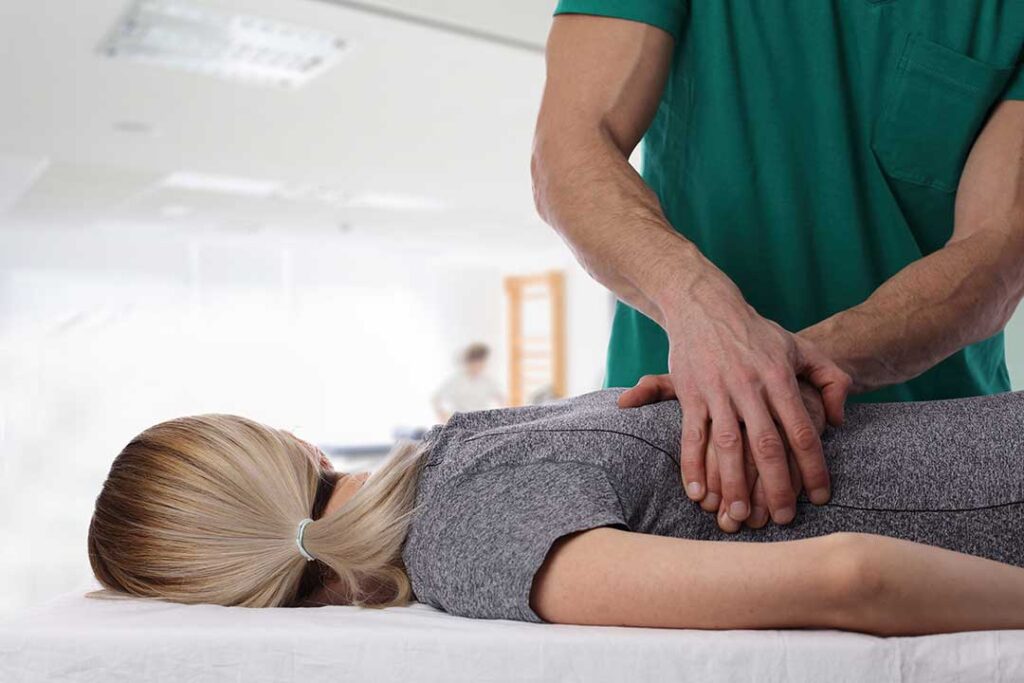
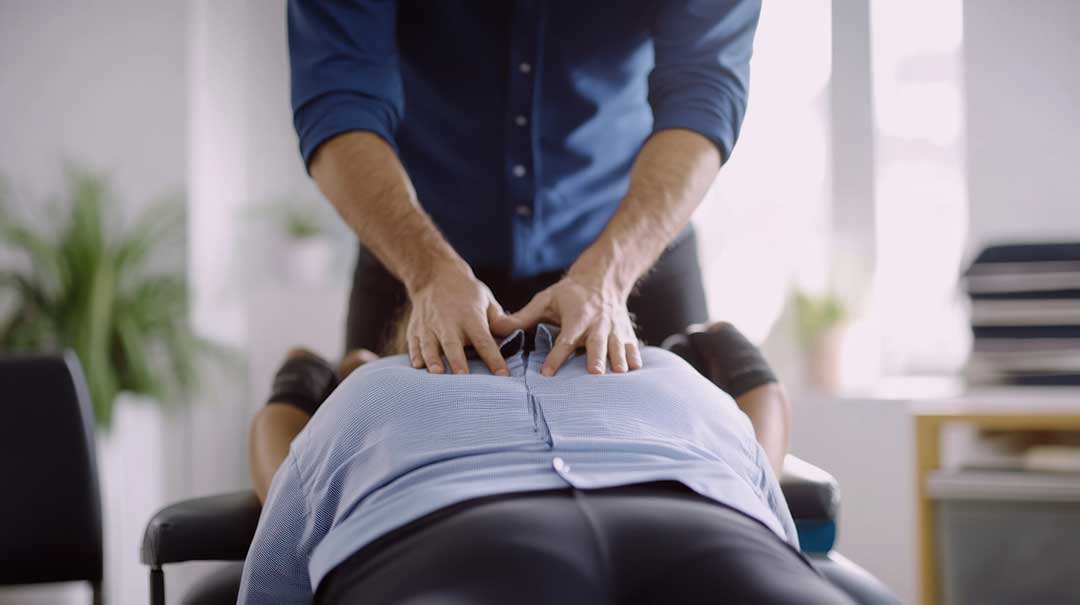
Chiropractic care may include spinal manipulation, mobilization, exercise guidance, and education about movement. Spinal manipulation uses a controlled force at a joint, while mobilization uses gentler movement within a joint’s natural range. Evidence and safety considerations vary depending on the condition, technique, and individual health history. ([nccih.nih.gov](https://www.nccih.nih.gov/health/spinal-manipulation-what-you-need-to-know?utm_source=openai))
Mild, temporary soreness or stiffness can occur after spinal manipulation. Serious complications are rare, but neck-focused manipulation has specific safety considerations, and people should share relevant medical conditions, medications, recent injuries, pregnancy status, and neurological symptoms before treatment. ([nccih.nih.gov](https://www.nccih.nih.gov/health/spinal-manipulation-what-you-need-to-know?utm_source=openai))
Chiropractic care should be viewed as one possible part of a broader plan rather than a replacement for regular movement, strength training, medical evaluation, or rehabilitation when those are needed.
When should reduced mobility be evaluated?
New or rapidly worsening mobility problems deserve attention, especially when accompanied by severe pain, significant swelling, fever, unexplained weight loss, loss of bladder or bowel control, numbness in the groin area, sudden weakness, chest pain, or trouble breathing.
Evaluation is also sensible when pain repeatedly interrupts sleep, walking becomes increasingly difficult, falls occur, or symptoms continue despite reducing aggravating activities. The safest next step may vary depending on whether the problem involves a joint, muscle, nerve, balance system, medication effect, or another health condition.
For many people, mobility improves through a steady combination of walking, strengthening, balance practice, gentle range-of-motion work, and sensible recovery. The most useful routine is one that fits daily life and can be continued through changing seasons and activity levels.
