
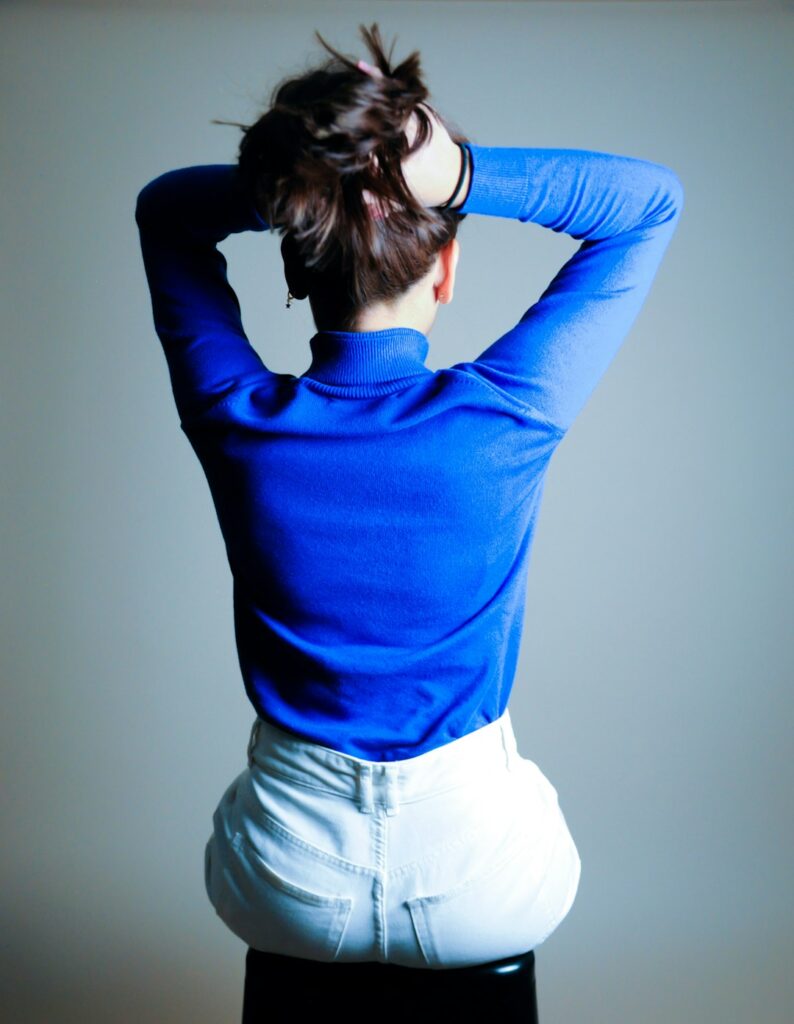
Scoliosis is a three-dimensional change in the shape of the spine that may include sideways curvature and rotation of the vertebrae. Many people with scoliosis have mild curves, few symptoms, and no need for intensive treatment. Others experience pain, stiffness, uneven posture, or changes that require ongoing medical monitoring.
The short answer is that chiropractic care may help some people manage pain, stiffness, movement limitations, and related muscle tension, but current evidence does not show that spinal manipulation can reliably straighten a scoliosis curve or prevent it from progressing.
What is scoliosis?
Scoliosis is more than poor posture. A person with scoliosis may have a spine that curves in a “C” or “S” pattern and rotates slightly. The condition can begin during childhood or adolescence, develop because of age-related changes, or occur alongside a neuromuscular or congenital condition.
Common visible signs include:
- One shoulder or hip appearing higher than the other
- An uneven waistline
- Clothing hanging differently on each side
- A rib prominence that becomes more noticeable when bending forward
- Persistent back fatigue or discomfort
A screening observation cannot determine the severity of scoliosis. A standing spinal X-ray may be needed to measure the curve, commonly using the Cobb angle. In children and teenagers, the amount of growth remaining is also important because curves are more likely to progress during growth spurts.
Can chiropractic adjustments correct scoliosis?
There is not strong evidence that chiropractic adjustments correct the underlying spinal curve. Research on spinal manipulation for adolescent idiopathic scoliosis has generally involved small studies, limited follow-up, or other treatments used at the same time. This makes it difficult to determine whether manipulation changes the condition itself.
A chiropractic adjustment may temporarily affect joint motion, muscle tension, or the way a person experiences pain. Those effects are different from correcting the structural curve. A change in posture immediately after treatment also does not necessarily mean that the scoliosis has been reversed.
For growing children, chiropractic care should not replace observation, bracing when indicated, scoliosis-specific rehabilitation, or orthopedic evaluation. Bracing is used in selected children who are still growing and have curves at risk of worsening. Surgery is reserved for certain severe or progressive cases.
What symptoms might chiropractic care help manage?
For some adults, discomfort linked with scoliosis is influenced by more than the curve itself. Muscle fatigue, arthritis, reduced hip mobility, an irritated joint, disc changes, or prolonged sitting may contribute to symptoms.
A carefully designed conservative plan may include movement assessment, mobility work, strengthening, posture training, and strategies for reducing strain. Manual therapy or gentle mobilization may be used when appropriate. The goal should be improved comfort and function rather than promises of permanently changing the spine.
Potentially useful goals include:
- Improving tolerance for standing, walking, or household tasks
- Reducing muscle guarding and stiffness
- Supporting hip, thoracic spine, and shoulder mobility
- Building strength in the trunk and hips
- Learning safer movement patterns for lifting and reaching
- Maintaining participation in work, recreation, and daily activities
The response varies from person to person. Treatment should be adjusted if symptoms worsen, new neurological signs appear, or the suspected cause of pain changes.
Why does the distinction matter for local residents?
Winter conditions can place extra demands on the back. Snow shoveling, carrying salt or firewood, slipping on ice, and spending more time indoors can aggravate existing stiffness. These activities do not cause scoliosis, but they can increase pain in a person whose spine, hips, or muscles are already under strain.
Practical habits include:
- Push snow when possible instead of lifting heavy loads
- Use a shovel that allows an upright posture
- Turn the whole body rather than twisting repeatedly while carrying
- Break outdoor work into shorter periods
- Warm up with gentle movement before strenuous chores
- Avoid remaining in one seated position for long periods during darker, colder months
- Use stable footwear and improve lighting around entrances and walkways
These measures support symptom control but do not treat the structural curve itself.
What treatment is usually considered for children and teenagers?
Treatment depends on the curve’s size, location, cause, symptoms, and the child’s remaining growth. Many mild curves are monitored periodically without active treatment. A moderate curve in a growing child may call for bracing. A larger or clearly progressive curve may require evaluation by a spine specialist.
Children with scoliosis can usually remain active. Swimming, walking, recreational sports, and age-appropriate strength work are often compatible with scoliosis, although restrictions may apply after surgery or in unusual medical situations. Exercise should be individualized when pain, weakness, breathing limitations, or another underlying condition is present.

Parents should be cautious about any claim that a series of adjustments, shoe lifts, supplements, or a special device will permanently eliminate a child’s curve. A responsible plan explains what is known, what is uncertain, and how progress will be measured.
What about adults with scoliosis?
Adult scoliosis may be longstanding or may develop through age-related degeneration. Symptoms can include low-back pain, leg pain, numbness, reduced walking tolerance, and difficulty standing upright. In adults, the pain may come from arthritis, spinal narrowing, disc problems, or irritated nerves rather than the curve alone.
Conservative care often emphasizes activity modification, targeted exercise, trunk and hip strengthening, and symptom management. Chiropractic treatment may be considered as one part of that approach when there are no warning signs or medical reasons to avoid manipulation.
Forceful or high-velocity techniques deserve particular caution in people with osteoporosis, significant spinal degeneration, recent fractures, inflammatory disease, prior spinal surgery, cancer, or neurological symptoms. Treatment should account for the person’s full health history rather than focusing only on the visible curve.
When should scoliosis symptoms be medically evaluated?
Prompt medical evaluation is appropriate for:
- New weakness, numbness, or loss of coordination
- Pain traveling down an arm or leg
- Loss of bladder or bowel control
- Severe or rapidly worsening pain
- Fever, unexplained weight loss, or a history of cancer
- Pain after a fall or other injury
- Breathing difficulty associated with a severe spinal deformity
- A child whose curve appears to be changing quickly
A child or teenager with a suspected curve should be evaluated even if there is little pain. Adolescent scoliosis often does not cause significant discomfort, so relying on pain alone can miss progression during growth.
How should families judge a chiropractic scoliosis plan?
A sound plan should clearly distinguish between symptom relief and curve correction. It should also include a diagnosis or referral pathway when the cause of the curve is uncertain, explain expected benefits and limits, and avoid discouraging appropriate imaging, bracing, rehabilitation, or specialist care.
Useful questions include:
- Is the goal pain relief, improved movement, or changing the curve?
- How will progress be measured?
- Is the treatment appropriate for a growing child?
- Are there reasons manipulation should be avoided?
- What symptoms would require a different medical evaluation?
- How does this plan fit with existing orthopedic or physical therapy care?
Chiropractic care can have a role in managing comfort and movement for selected people with scoliosis. It should be viewed as supportive care—not as a proven method for eliminating the spinal curve or replacing evidence-based monitoring and treatment.
